
India’s political landscape is witnessing intense debates — from cultural controversies in Bihar to law-and-order issues in Punjab. Here’s a roundup of the top stories shaping Indian politics in November 2025.
What happened: The MRPS held a protest rally in Hyderabad, condemning what it described as a “caste-based attack” on the B. R. Gavai (Chief Justice of India) and alleging that his Dalit identity played a role in the incident. They announced a nationwide protest titled “Chalo Delhi” for November 17. The Times of India
Why it matters:
- Signals rising caste-based political mobilization and pressure on institutions for action.
- Raises concerns about how judiciary legitimacy and social equity are intertwined in Indian politics.
- Could impact how parties approach Dalit voters and how institutions respond to such claims.
Implications: - Might lead to increased political spotlight on judicial independence, caste justice, and institutional response.
- Parties may recalibrate messaging or candidate selection to address Dalit concerns.
- Could drive larger protests or counter-mobilization around caste justice issues.
Bharatiya Janata Party (BJP) criticism of Rashtriya Janata Dal (RJD) leader’s Halloween video
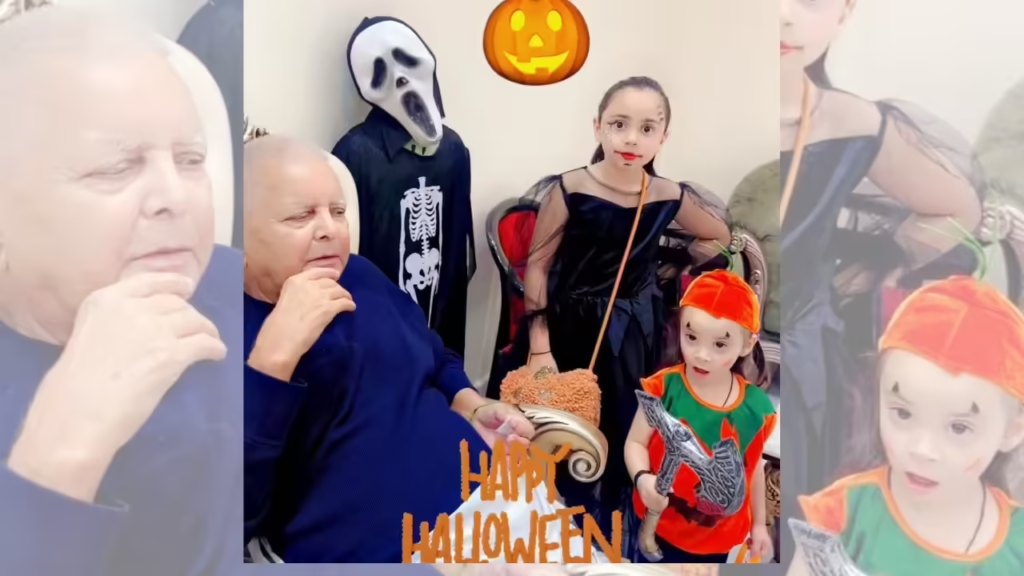
What happened: The BJP has accused RJD leader Lalu Prasad Yadav of hypocrisy after videos showed him celebrating Halloween with his grandchildren — despite previously calling the Hindu festival Maha Kumbh “faltu” (useless). The BJP is using this to attack his credibility. The Times of India
Why it matters:
- Highlights how cultural optics and symbolism are used as political tools.
- Demonstrates how personal/social media moments can become political ammunition.
- Useful for parties to question opponents’ consistency and values among voters.
Implications: - The RJD may have to respond or downplay the issue; could distract from other policy debates.
- Other parties may adopt similar approaches — leveraging cultural contradictions.
- Voters sensitive to cultural identity may lean on such narratives.
Electoral roll revision opposition in Tamil Nadu
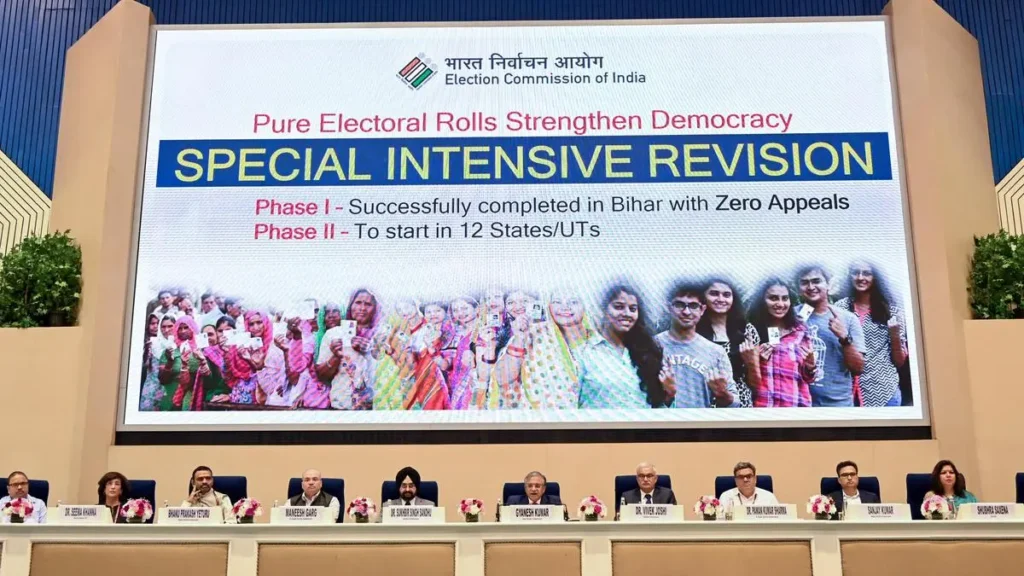
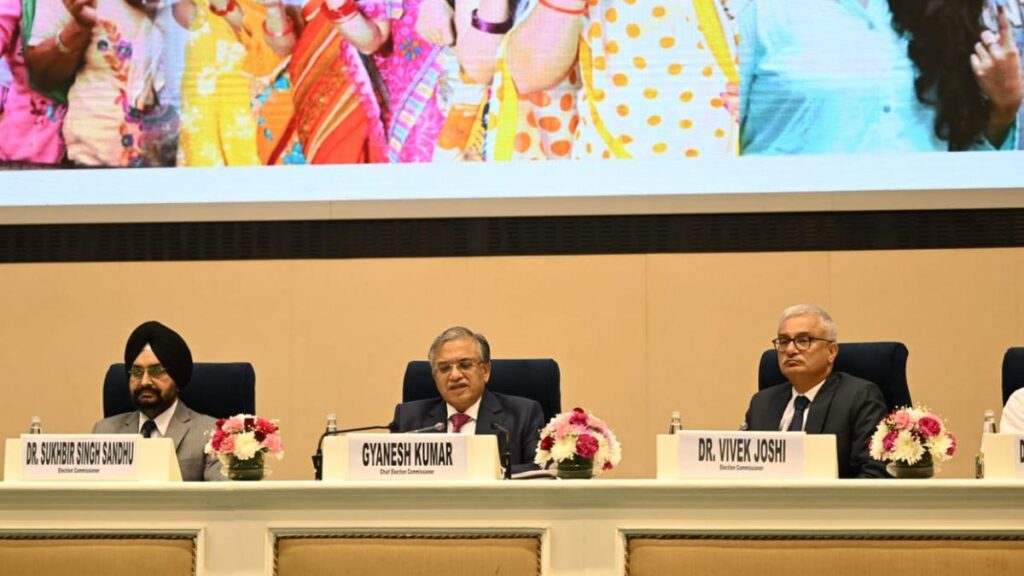
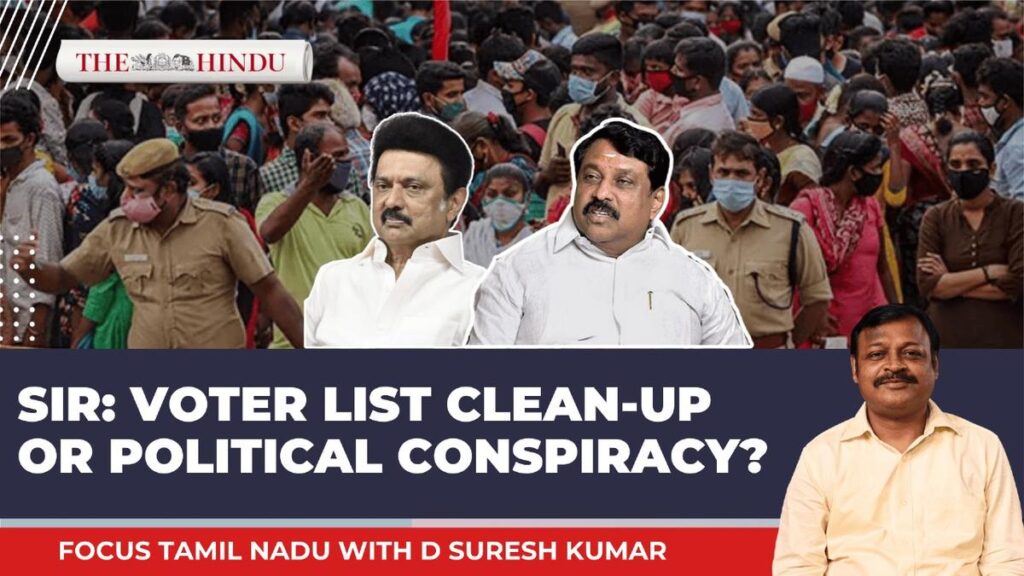
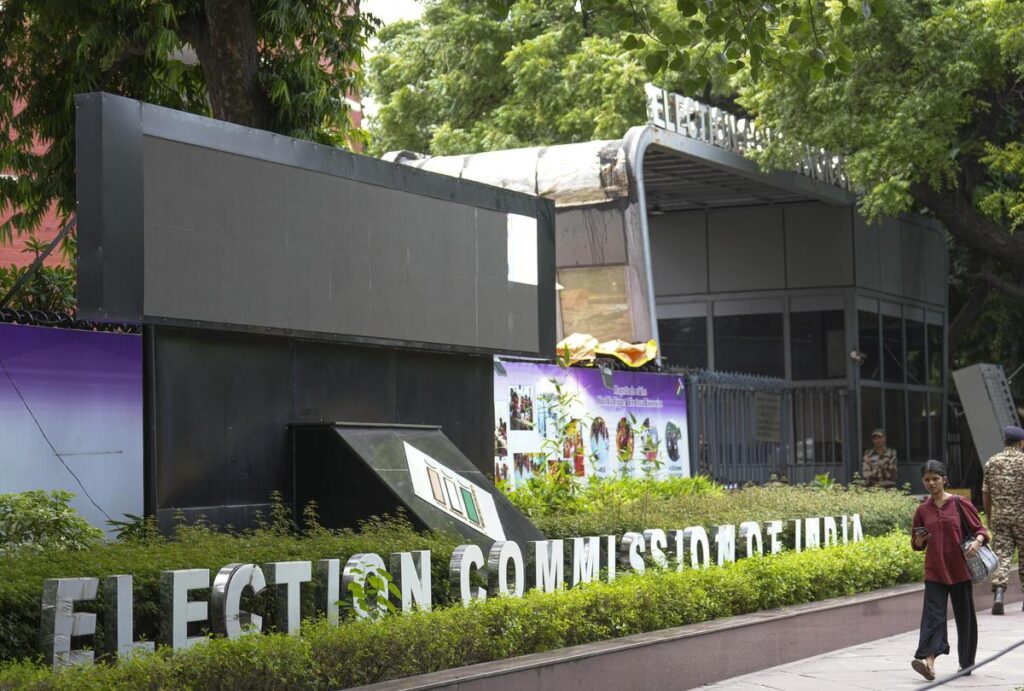
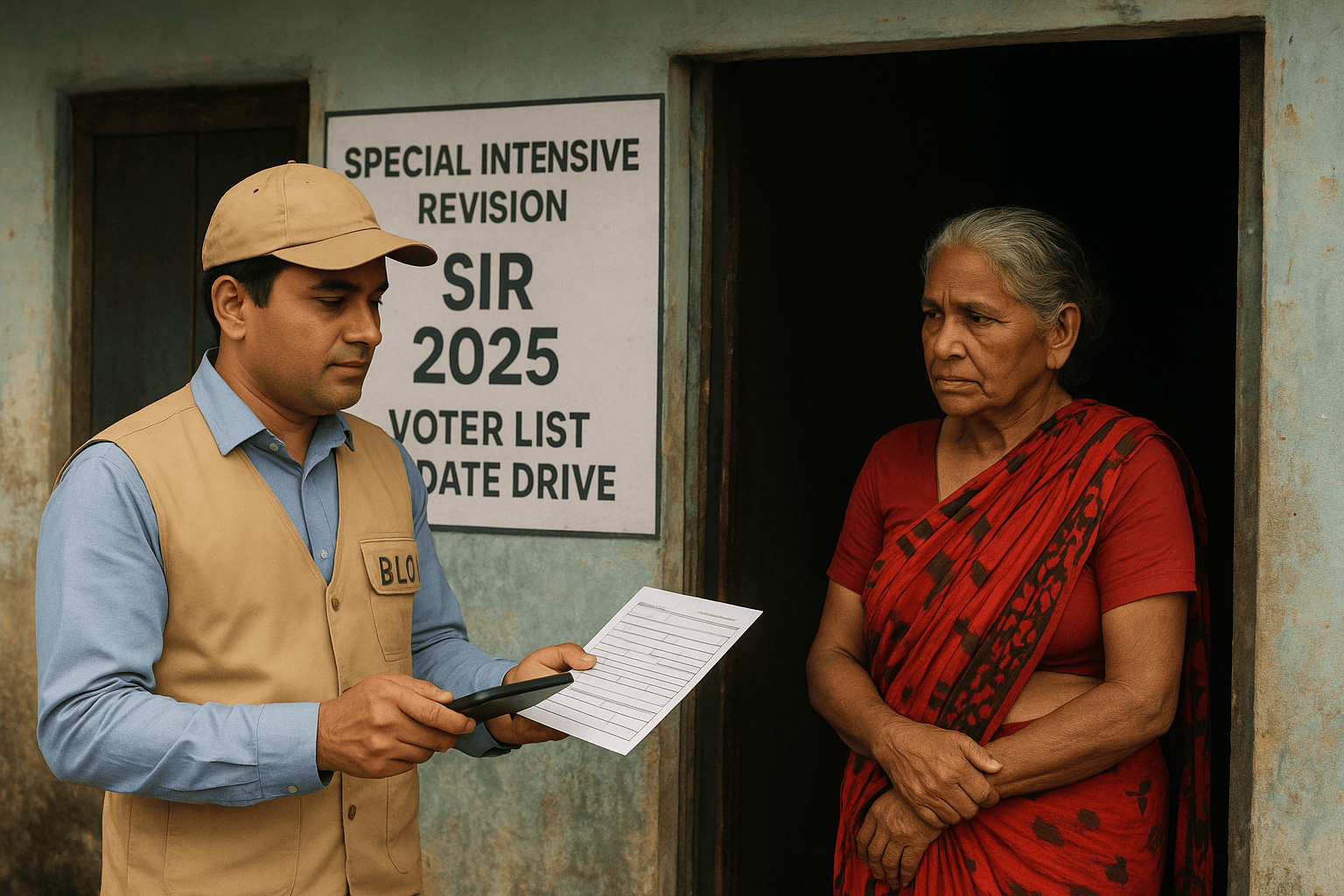
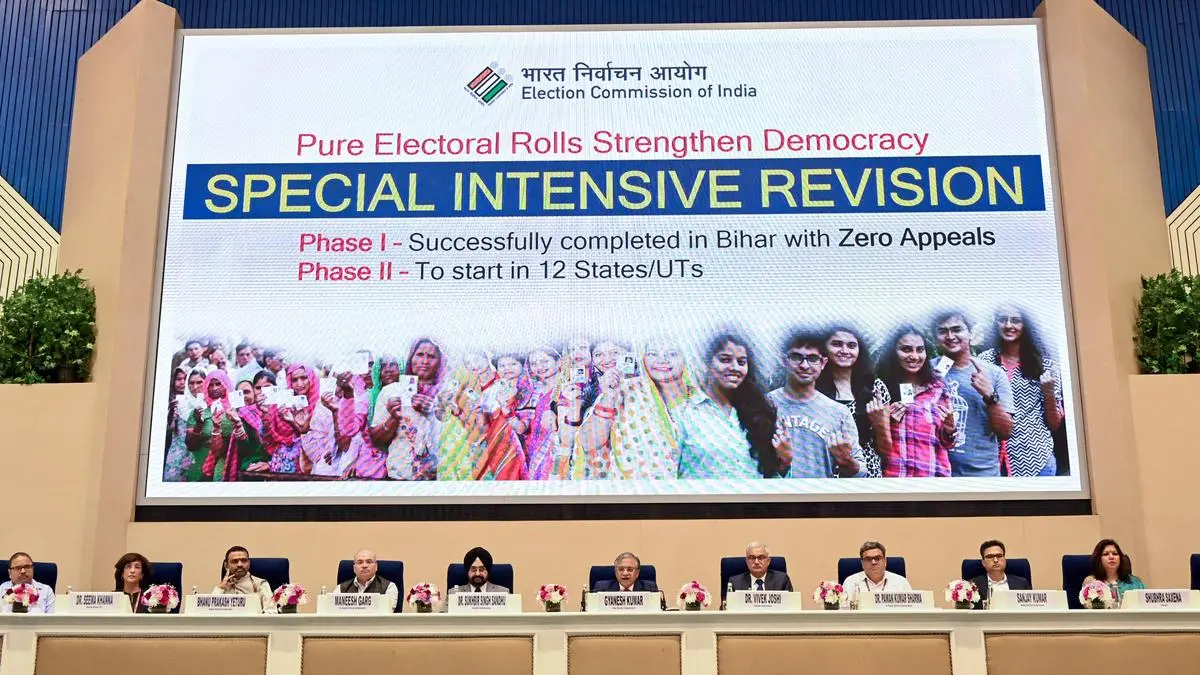
What happened: The regional party Tamilaga Vettri Kazhagam (TVK) in Tamil Nadu opposed the Special Intensive Revision (SIR) of electoral rolls, accusing the ruling Dravida Munnetra Kazhagam (DMK) of using this process as a political diversion and undermining democratic rights. The Times of India
Why it matters:
- Voter-list revision processes are pivotal for electoral integrity and ensuring accurate representation.
- Any perception of manipulation or politicization of roll revisions can reduce trust in democratic process.
- The issue may impact voter turnout or eligibility ahead of future elections.
Implications: - Could create tension between state voters, administrative machinery, and ruling parties.
- Might push opposition parties to challenge roll revisions legally or through public campaigns.
- May become a focal point in election-campaign narratives around fairness and democracy.